
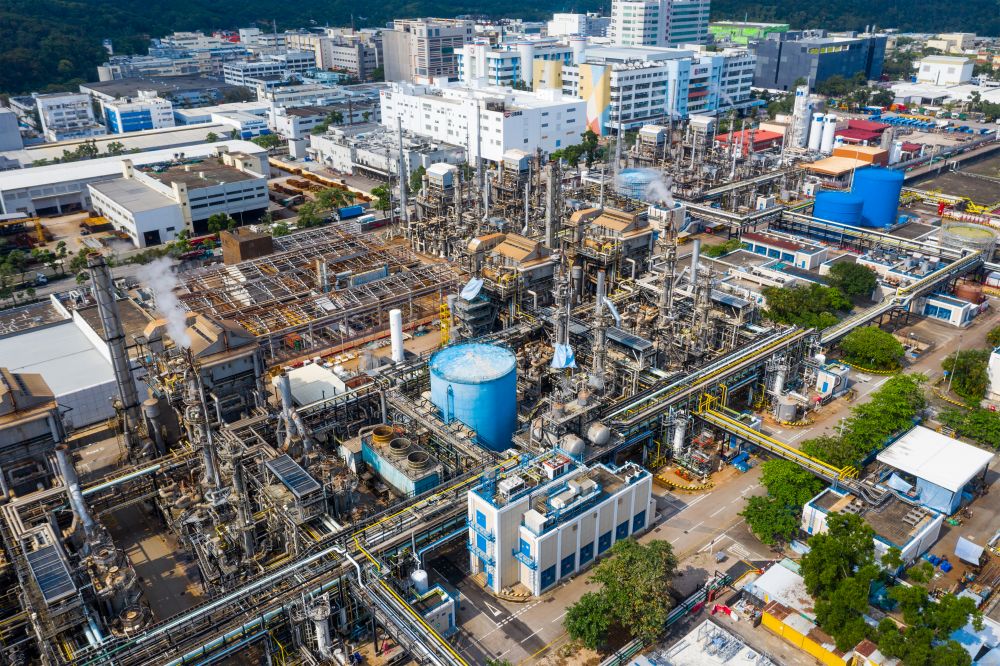
Singapore’s manufacturing and logistics backbone owes much of its physical form to JTC industrial infrastructure, a vast and carefully managed network of buildings, land parcels, and estates built over decades. JTC Corporation is the statutory body responsible for planning, developing, and managing industrial space across the island, with a portfolio spanning semiconductor fabrication plants, food processing facilities, and logistics hubs. The footprint of JTC industrial properties is broad and consequential. For any business seeking to establish or expand its industrial operations here, understanding how this system works is the essential starting point.
Types of JTC Industrial Properties
The JTC industrial property portfolio is not a single category of space. It encompasses several distinct property types, each designed to serve different industries, operational scales, and development needs.
- Flatted factories – Multi-storey industrial buildings with standardised units ranging from small workshops to larger production floors, suited to light and general manufacturing, assembly, and ancillary activities. Shared loading bays and goods lifts are typically provided.
- Single-user factories – Purpose-built facilities on dedicated land parcels leased to a single occupier, offering full operational autonomy for businesses with specific requirements such as high ceilings, heavy floor loads, or specialised utility provisions.
- Ready-built facilities – Pre-constructed industrial buildings available for immediate occupation, useful for businesses needing to commence operations quickly without the lead time of designing and constructing a new facility.
- Business parks – Environments designed for knowledge-intensive, high-technology, and research and development activities. These properties carry stricter qualifying use conditions and are generally not available to traditional manufacturing operations.
- Industrial land parcels – Plots of vacant land released through the Government Land Sales programme or JTC’s own tender exercises, allowing businesses to design and construct bespoke facilities suited to their exact requirements.
How JTC Industrial Space Is Allocated
The allocation of JTC industrial space is governed by eligibility, intended use, and in some cases, competitive bidding. JTC does not operate as a conventional commercial landlord. It applies a deliberate framework to ensure industrial space is used efficiently and in line with Singapore’s broader economic objectives.
For ready-built units and flatted factory spaces, businesses apply through the JTC Space portal. Eligibility is assessed on the nature of the applicant’s industrial activity, the qualifying use of the specific unit, and financial standing.
JTC allocates industrial space based on the principle that each property must be used for its designated industrial purpose. Businesses applying for a JTC industrial unit must demonstrate that their primary activity qualifies as an industrial use under Singapore’s planning framework. JTC reserves the right to decline applications where the proposed activity does not align with the permitted use of the space or the industrial development objectives of the estate.
For land parcels, allocation is typically conducted through a formal tender process. Businesses submit bids that include both a financial offer and a qualitative development proposal. JTC evaluates submissions on multiple criteria, including the credibility of the development plan, the qualifying nature of the industrial activity, and the financial capacity of the bidder.
Permitted Use and Compliance Obligations
Securing a jtc industrial is only the beginning. Once a tenancy or lease is in place, occupiers are bound by a set of compliance obligations that are non-negotiable and actively enforced.
The most fundamental is the permitted use condition. Every JTC industrial property is allocated for a specific industrial purpose written into the lease. Operating outside the permitted use without written approval from JTC constitutes a breach and can result in enforcement action, including termination.
Key compliance requirements that occupiers must observe include:
-
Maintaining qualifying industrial use
The primary activity carried out on the premises must at all times remain consistent with the permitted use stated in the lease
-
Subletting restrictions
Subletting of JTC industrial space is subject to JTC’s prior approval. Unauthorised subletting is a common breach and carries serious consequences
-
Approved alterations only
Any structural or significant non-structural alterations to the premises must be approved by JTC before works commence
-
Reinstatement obligations
At the end of the lease, occupiers are typically required to restore the premises to their original condition, removing any unauthorised additions or alterations
-
Compliance with ancillary use limits
JTC permits a limited proportion of space to be used for ancillary office or ancillary retail purposes. Exceeding these limits without approval is a breach
-
Timely rental payments
JTC enforces rental payment obligations strictly. Persistent arrears can trigger lease termination proceedings
Enforcement and What Happens When Rules Are Breached
JTC conducts inspections to verify occupiers are complying with their lease obligations. When breaches are identified, JTC issues a rectification notice within a specified timeframe. Failure to comply can result in escalating enforcement action, up to and including early lease termination.
For businesses caught subletting without approval or operating outside their permitted use, the reputational and financial consequences extend well beyond the immediate penalty. Non-compliance can affect future applications for JTC industrial space and dealings with other government agencies.
Final Thoughts
Singapore’s industrial property landscape is one of the most structured and efficiently managed in the region, and that is not accidental. Every decision JTC makes about what to build, where to build it, and who occupies it is informed by a long view of what Singapore’s economy needs to stay competitive. Businesses that engage with the system honestly, use their space as intended, and maintain compliance will find in JTC a reliable and professionally managed landlord. Those who cut corners will find the system equally reliable in a very different way. The opportunity embedded in jtc industrial space is real and available to those who approach it on its own terms.

